Wackerpacker Hire
If you’re prepping a base for pavers, compacting soil for a driveway, or backfilling a trench, you’ve probably heard someone say: “Grab a wacker packer.” But what is a wacker packer exactly—and how do you know which size you need?
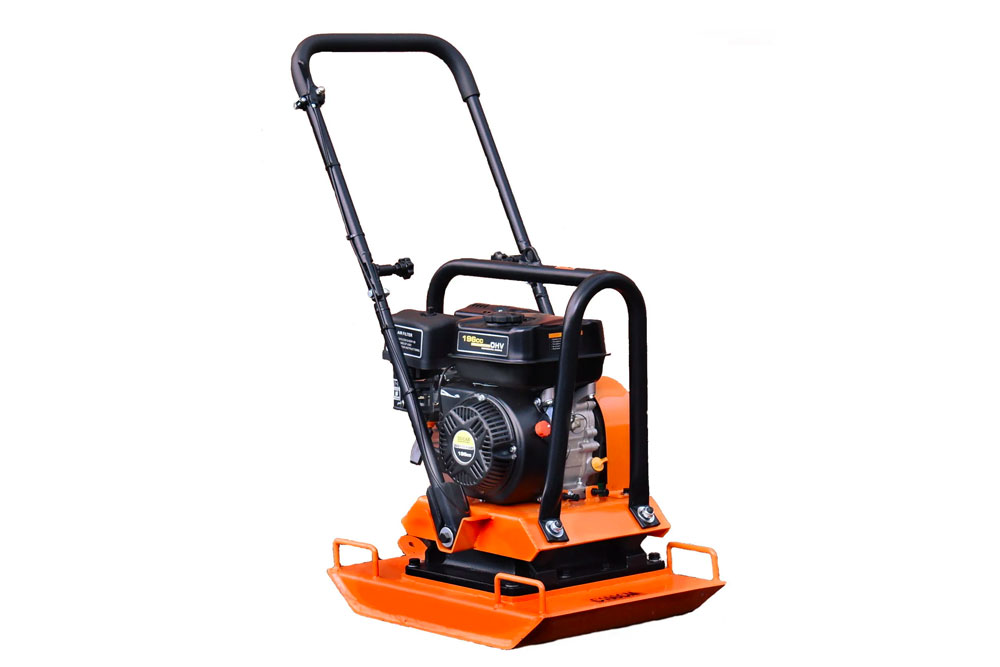
A wacker packer is commonly used to describe a plate compactor: a machine that uses vibration and weight to compress soil, sand, gravel, or crushed rock. Proper compaction reduces movement and settling, which helps prevent issues like sinking pavers, cracked concrete edges, rutting, and uneven surfaces over time.
In this guide, we’ll explain what a wacker packer does, where it’s used, how to think about sizes, and when hiring one is the smart move—especially for jobs around Geelong and the Surf Coast.
What is a wacker packer (plate compactor)?
A wacker packer is typically a vibrating plate compactor. It has a flat steel base plate and a motor that generates rapid vibration. That vibration “shakes” the material into a tighter arrangement while the plate’s weight pushes it down. The result is a firmer, more stable surface—ideal for construction and landscaping prep.
People often use different names for the same thing, including:
- Plate compactor
- Vibratory plate compactor
- Vibrating plate
- Ground compactor
- “Wacker packer” (common in Australia)
Common uses for a wacker packer
A plate compactor earns its keep on jobs where a stable base matters. Here are the most common uses:
1) Paving and paving base prep
Before laying pavers, you typically compact the sub-base (often crushed rock) and sometimes the bedding sand. This reduces future movement and helps keep pavers level.
2) Driveway and pathway base compaction
Whether it’s a small path or a driveway base, compaction helps prevent soft spots and uneven settling—particularly important after rain or heavy use.
3) Landscaping and turf prep
If you’re building a retaining wall base, levelling ground for turf, or preparing a pad for a shed, compaction helps minimise future dips and drainage issues.
4) Trench backfill
After plumbing, drainage, or electrical trenching, compacting backfill helps reduce sinkholes and uneven ground where trenches were filled.
5) Tight-access compaction
Smaller plate compactors can be ideal where access is limited—side gates, narrow paths, between structures, or smaller residential sites.
Wacker packer sizes: how to choose the right one
Wacker packers are often discussed by weight, commonly in the 60–100kg range for residential and light commercial work. As a simple rule: heavier units typically deliver stronger compaction and work better on thicker layers and coarse materials, while lighter units can be easier to manoeuvre and better in tight areas.
What size plate compactor do I need? Here’s a practical way to think about it:
- 60–80kg: Often suitable for lighter landscaping work, sand bedding, and smaller paving jobs (especially where access is tight).
- 90–100kg: A solid “all-rounder” for compacting crushed rock, driveway base material, and more demanding site prep.
- Heavier / specialised units: Better suited to thicker layers, tougher materials, or larger projects where productivity and compaction force matter.
Material also matters. Crushed rock and road base typically benefit from more compaction force than sand, and clay soils can behave differently again depending on moisture. If you’re unsure, it’s worth getting quick advice before booking.
If you’re looking for a reliable all-round option, Scissor Digger Hire offers a 7hp 100kg wacker packer (plate compactor) that suits many residential and commercial prep jobs: https://www.scissordiggerhire.com.au/7hp-100kg-wacker-packer/
Wacker packer rental – when it makes sense to hire instead of buy
Buying a compactor can be tempting, but hiring is often the better call when:
- You only need it occasionally
- If it’s a once-off paving job or a weekend project, hiring saves you the upfront cost and storage hassles.
- You want the right size for the job
- Hiring lets you match the machine to the task. Too small can mean wasted time and poor results; too heavy can be awkward in tight areas.
- You want a machine that’s maintained and ready
- Hire gear is typically serviced and job-ready, so you can focus on the work rather than repairs.
- You need speed (and fewer re-dos)
- Proper compaction early can save you from expensive fixes later—re-laying pavers, correcting dips, or rebuilding base layers.
Safety basics and site preparation – Plate compactors are powerful machines. Before use, make sure the area is clear, stable, and free of hazards. If you want a good overview of general plant safety considerations, Safe Work Australia has guidance here: https://www.worksafe.vic.gov.au/excavating
Key takeaways
A wacker packer (plate compactor) is one of the most useful pieces of equipment for landscaping and construction prep. The right choice comes down to what you’re compacting, the size of the area, and access constraints. If you’re working around Geelong and want a dependable 100kg option, hiring can be a fast, cost-effective way to get the job done properly.
- A “wacker packer” is commonly a plate compactor used to compress soil, sand, and gravel.
- Compaction helps prevent settling, sinking pavers, and uneven surfaces.
- Typical hire sizes are 60–100kg, with heavier units generally offering stronger compaction.
- Crushed rock/road base often benefits from a heavier compactor than sand.
- Hiring is ideal for one-off projects, tight access jobs, or when you need the right size quickly.
- A well-compacted base can save time and rework costs later.
- For Geelong projects, a 7hp 100kg plate compactor is a strong all-round choice for many site-prep tasks.